Blender Workflows in an AI-Driven Era: Navigating Tool Integration, Automation Waves, and Cross-Platform Pipelines

The Growing Tension Between Automation and Control
Over the past year, AI-assisted tools have moved from experimentation into real production discussions. From automatic asset generation to procedural texturing and scene assembly, many workflows are becoming faster but also less transparent.
For artists and studios, the challenge is no longer whether to use AI, but where it fits safely in the pipeline. Speed is valuable, but only when outputs remain predictable and editable.
This is where Blender’s role has quietly shifted. Instead of competing with AI tools, it increasingly acts as a control layer between automation and final delivery.
Why Blender Remains a Stable Center
Blender’s strength in this changing landscape is not that it does everything. It is that it accepts almost everything.
As AI tools generate meshes, textures, or reference material, Blender provides a space where those outputs can be inspected, corrected, and standardized. Artists can convert procedural or AI-assisted results into traditional, production-ready assets.
This makes Blender a buffer. Automation happens upstream, but Blender determines what actually ships.
Integrating AI-Assisted Assets Without Pipeline Chaos
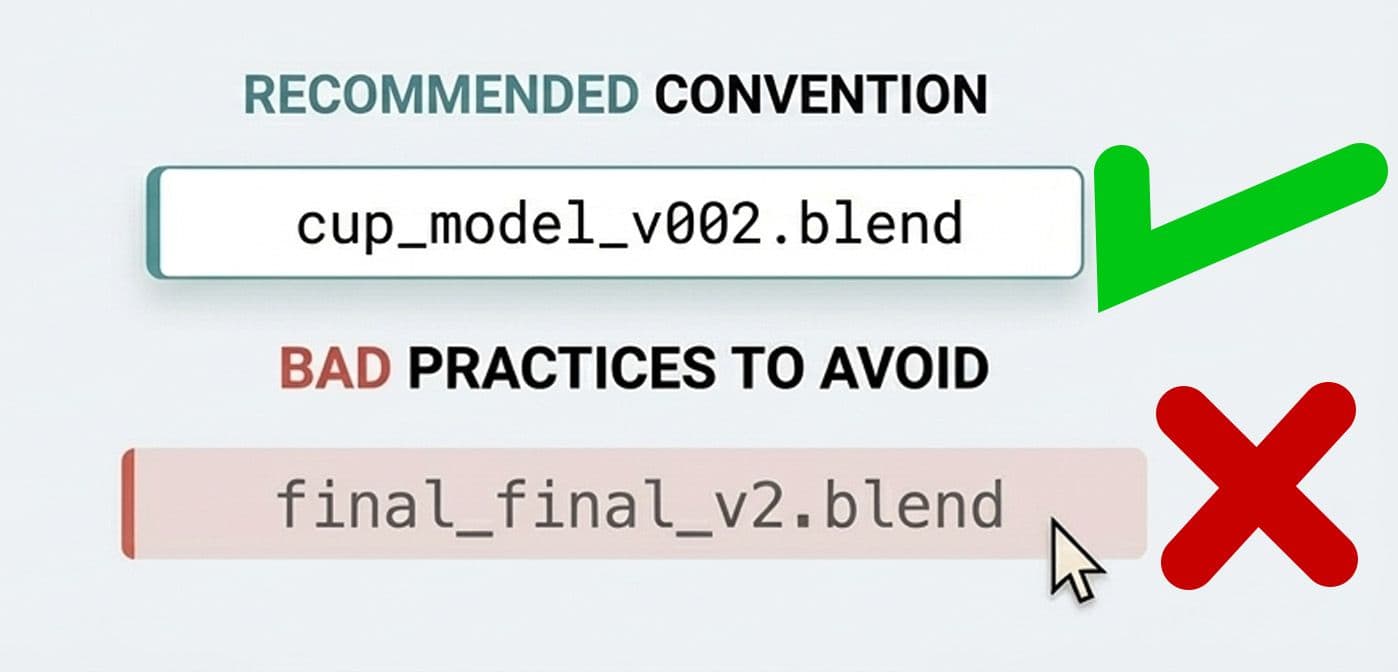
One of the biggest risks with AI-generated content is inconsistency. Topology quality, scale, naming, and shading often vary widely.
In practice, many artists use Blender to:
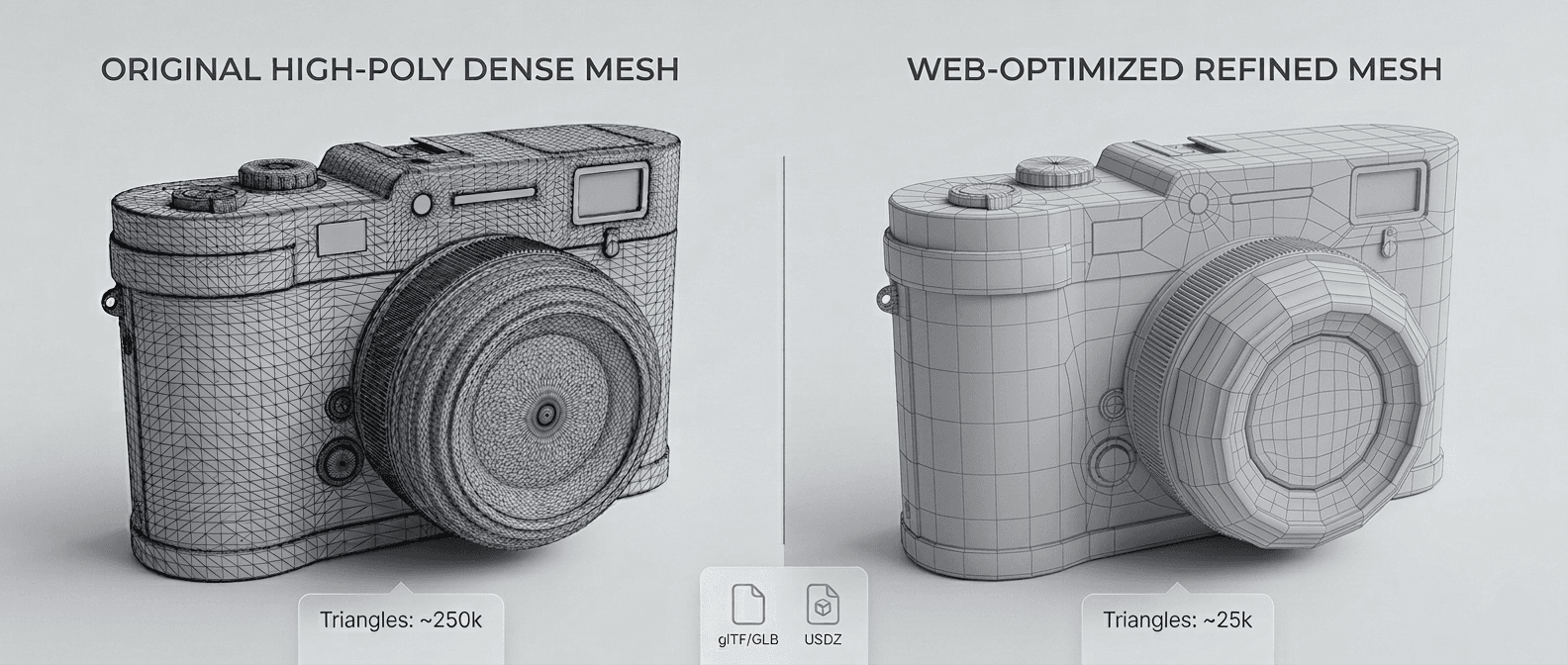
- Retopologize or clean AI-generated meshes
- Normalize scale and orientation
- Rebuild materials using standard PBR workflows
- Remove unnecessary detail before rendering or real-time export
This step reintroduces intentionality into an otherwise opaque process. Blender becomes the place where assets stop being experimental and start being usable.
Blender, Substance, and AI Texturing Tools
AI-generated textures and procedural material tools are evolving rapidly, but they rarely replace established texturing workflows outright.
A common approach today looks like this:
- AI tools generate initial surface ideas or variation
- Substance 3D Painter refines materials with control and consistency
- Blender assembles, previews, and validates materials in context
This layered approach prevents over-reliance on any single system. Blender’s shader system acts as a neutral ground where results can be evaluated before final output.
Cross-Platform Delivery Still Demands Structure
Despite advances in automation, delivery targets have not become simpler. Assets still need to work across:
- Offline rendering for marketing
- Real-time engines like Unreal Engine
- Interactive or configurable experiences
Blender plays a critical role in maintaining parallel versions of the same asset. High-detail scenes can coexist with optimized exports through collections, modifiers, and linked data.
AI tools may accelerate creation, but Blender ensures consistency across platforms.
The Risk of Black-Box Pipelines
One of the most common concerns artists express about AI-driven workflows is loss of understanding. When too much happens automatically, diagnosing errors becomes difficult.
Blender counters this by remaining transparent. Geometry, materials, and transforms are visible and editable. Nothing is hidden behind prompts or abstraction layers once assets arrive in the scene.
This transparency is becoming a competitive advantage rather than a legacy limitation.
Choosing Where Automation Belongs
Successful teams are not rejecting AI. They are placing it carefully.
Automation works best in:
- Early ideation
- Reference generation
- Repetitive variation tasks
Blender remains essential for:
- Asset validation
- Final look development
- Cross-platform consistency
- Client-ready delivery
This division of responsibility keeps workflows flexible without becoming fragile.
Blender’s Role Moving Forward
As AI tools continue to evolve, pipelines will become more modular, not more unified. No single application is likely to replace the ecosystem.
Blender’s future relevance lies in its adaptability. It bridges experimental tools and production constraints without forcing artists into rigid systems.
In an era of rapid automation, Blender is less about speed and more about control. That balance is exactly what modern workflows need.